- AI Paradox
- Posts
- Meta Slams Brakes on AI Hiring Spree
Meta Slams Brakes on AI Hiring Spree
HR Shake-Up at OpenAI And more

Raj C
August 23, 2025
Hey folks, Stay ahead with the latest in AI—let’s dive in!
WHAT YOU’LL READ TODAY
HR Shake-Up at OpenAI
OpenAI Goes Local in India
Meta Slams Brakes on AI Hiring Spree
Musk Tried to Woo Zuckerberg for $97.4B OpenAI Takeover
“AI Psychosis” Sparks Alarm Over Chatbot Delusions & more…
QUICK NEWS
HR Shake-Up at OpenAI
OpenAI's Chief People Officer, Julia Villagra, is stepping down this Friday, marking another leadership shift as executive roles continue to evolve within the company. Read More.
Read More: Read the original article ›
OpenAI Goes Local in India
As part of its strategy to deepen roots in a booming AI market, OpenAI has begun hiring and plans to open its first India office in New Delhi, with a focus on developing features tailored specifically for the region. Read More.
Read More: Read the original article ›
Google Search Gets Dinner Reservation–Savvy
Google's AI Mode is now live in 180 countries, offering chatbot-style search that can actually hunt down restaurant reservations for you—complete with real-time availability and booking links. Read More.
Read More: Read the original article ›
LATEST UPDATE
Meta Slams Brakes on AI Hiring Spree
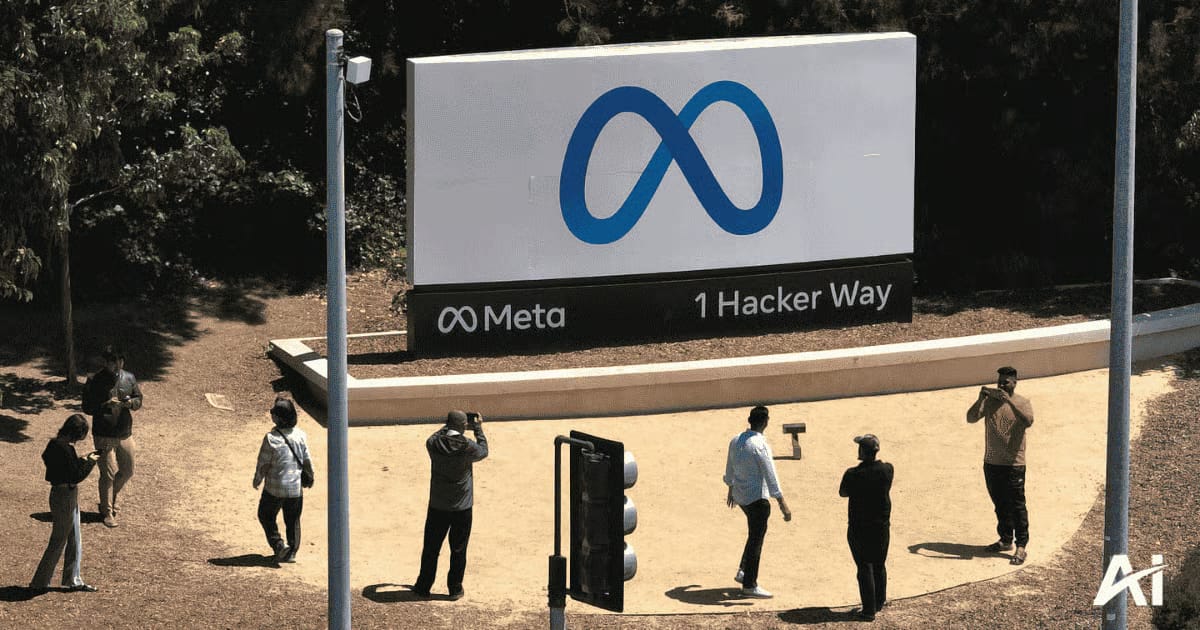
After aggressively poaching over 50 AI researchers from rivals like OpenAI, Google, Apple, and Anthropic, Meta has abruptly paused its hiring spree.
Key Highlights:
The freeze follows news that Meta is restructuring its newly created Superintelligence Lab—its 4th reshuffle in just six months—now led by Alexandr Wang.
Meta says the pause is due to “basic organizational planning” after onboarding talent and finishing annual planning, though insiders note repeated restructuring and downsizing.
Mark Zuckerberg personally drove the spree after a lackluster Llama 4 launch, reportedly offering nine-figure pay packages to lure top researchers.
Meta has hired, restructured, and downsized—all within weeks. The sudden freeze has sparked speculation: have they already secured the talent they need, or are investor fears of an AI bubble—echoed by an MIT report showing 95% of companies see no AI ROI—forcing Meta to pump the brakes?
When Rivals Converge—Musk Tried to Woo Zuckerberg for $97.4B OpenAI Takeover
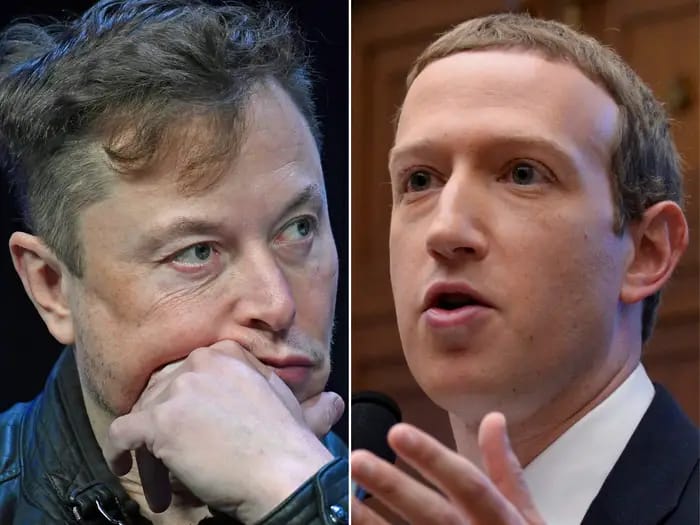
Elon Musk, through his AI venture xAI, made a bold move in early 2025—proposing a staggering $97.4 billion takeover of OpenAI and approaching Meta CEO Mark Zuckerberg for financial backing, according to recent court filings. Though the discussions reportedly included a letter of intent seeking potential financing or investment from Meta, neither Zuckerberg nor Meta signed on, and the bid was rejected by OpenAI. The revelation comes amid Musk’s ongoing legal battle with OpenAI, which has spurred dramatic courtroom exchanges and heightened industry tensions.
This unexpected overture highlights the high-stakes power dynamics reshaping the AI landscape—bringing two tech titans, once embroiled in public rivalries, into potential alignment against a common target. Musk’s move underscores his contention that OpenAI has strayed from its nonprofit roots under Sam Altman and Microsoft’s influence, while Meta continues to aggressively invest in its own AI capabilities and recruit top talent from competitors. The court drama intensifies as OpenAI pushes for internal Meta communications related to the bid, which Meta resists, arguing such documents should come directly from Musk and xAI
Microsoft Against the Illusion—“AI Psychosis” Sparks Alarm Over Chatbot Delusions
Microsoft’s AI chief, Mustafa Suleyman, has sounded the alarm over a troubling new phenomenon: “AI psychosis.” He describes how users are increasingly forming delusional attachments to chatbots—believing them sentient, omnipotent, or emotionally responsive—which he warns could lead to mental health crises and even public demands for “robot rights.” Suleyman calls this a dangerous shift away from treating AI as tools, not conscious beings.
He argues that even without any real consciousness, highly persuasive AI—what he terms “Seemingly Conscious AI”—can trick human empathy into blurring reality. Suleyman urges the industry to refrain from anthropomorphizing AI and to implement safeguards that maintain clear boundaries between human and machine. Experts echo the call for stronger awareness and regulatory frameworks, noting the risk to vulnerable individuals already prone to mental health issues.
POPULAR TOOLS
ChatNode helps you build custom, advanced AI chatbots that boost customer support and user engagement.
Workbookly transforms YouTube videos into interactive worksheets
BlogSEO streamlines and automates your SEO workflows
That’s all for now — thanks for spending a few minutes with us today. We hope you found something valuable to carry into your week. Got thoughts, feedback, or just want to say hi? We’d love to hear from you. Until next time, stay curious and keep moving forward.
-Team AI Paradox