- AI Paradox
- Posts
- OpenAI Pushes Back Against DeepSeek
OpenAI Pushes Back Against DeepSeek
AI fair use, xboc copilot and more...

Raj C
March 14, 2025
Hey folks, Stay ahead with the latest in AI—let’s dive in!
WHAT YOU’LL READ TODAY
AI Fair Use
Xbox Copilot
OpenAI Pushes Back Against DeepSeek
Google Advocates for AI Policy Reforms
Popular AI Tools
Today’s Prompt
QUICK NEWS
AI Fair Use
OpenAI has urged the U.S. government to establish clear fair use guidelines for AI training, emphasizing the need for accessible training data to maintain technological competitiveness against countries like China. This appeal highlights concerns over current copyright laws potentially hindering AI development and innovation. Read more
Xbox Copilot
Microsoft is introducing Copilot for Gaming, an AI-powered assistant designed to enhance the gaming experience. Initially available through the Xbox mobile app, Copilot offers players tips, guides, and support for game-related tasks, aiming to improve skills and facilitate connections with friends. Read more
AI Creativity
OpenAI has unveiled a new AI model proficient in creative writing, particularly in the metafiction genre. While CEO Sam Altman praised its capabilities, critics express concerns over copyright infringement, as the AI is trained on existing copyrighted works, raising questions about fairness and compensation for original creators. Read more
LATEST UPDATE
OpenAI Pushes Back Against DeepSeek
OpenAI has labeled Chinese AI lab DeepSeek as "state-subsidized" and "state-controlled," urging the U.S. government to consider banning AI models originating from the People's Republic of China (PRC). In a policy proposal submitted for the Trump administration's "AI Action Plan," OpenAI expressed concerns that DeepSeek's models, including its R1 reasoning model, could pose security risks due to potential compliance with Chinese government data requests.
This move escalates the ongoing tensions between OpenAI and DeepSeek, with previous allegations suggesting that DeepSeek may have "inappropriately" utilized OpenAI's model outputs through a technique known as distillation. OpenAI's latest stance reflects growing apprehension about data security and intellectual property protection in the rapidly evolving AI landscape.
Google Advocates for AI Policy Reforms
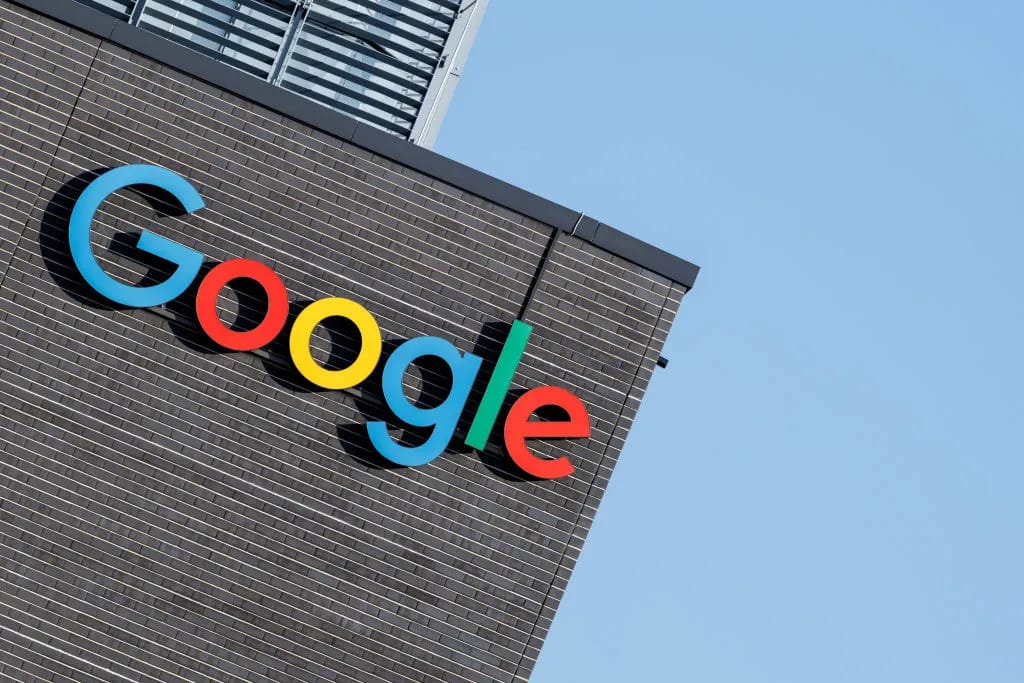
Image Credits:Matthias Balk/picture alliance / Getty Images
In a recent AI policy proposal submitted to the Trump Administration, Google has called for the relaxation of copyright and export regulations to foster innovation in artificial intelligence. The company argues that current copyright laws and export controls may impede the development and deployment of AI technologies, suggesting that more flexible policies could enhance the United States' competitiveness in the global AI landscape.
Google's stance aligns with other industry leaders advocating for policy adjustments to accommodate the rapid evolution of AI. For instance, OpenAI has urged the U.S. government to codify 'fair use' provisions for AI training, emphasizing the need for accessible training data to maintain technological competitiveness.
POPULAR TOOLS
TODAY’S PROMPT
Assist me in developing comprehensive contingency plans to mitigate risks such as supplier disruptions, natural disasters, and unforeseen operational challenges. Provide step-by-step strategies, alternative solutions, and risk assessment frameworks to ensure business continuity and resilience.
This prompt is used for business continuity planning, helping organizations proactively prepare for potential disruptions. It ensures companies have structured responses to supply chain breakdowns, natural disasters, and other crises, minimizing downtime and maintaining operations smoothly.
That’s a wrap! Stay ahead with the latest in AI—smarter insights today for bigger wins tomorrow. See you in the next issue!